When everything has been adjusted…
but control is still missing
|
You…
|
Structured the post-purchase.
Organized the repurchase.
Fixed process flaws.
Learned to choose your customers better.
|
The system exists. And it works!
But there is still a feeling that is hard to ignore…
|
You still have to think too much.
You still have to adjust manually.
You still have to decide in every situation.
|
And when the system constantly depends on decisions,
it is not yet fully under control.
|
|
|
|
There is a point where the problem stops being technical…
And becomes operational.
|
It’s no longer about knowing what to do.
It’s about being able to do it consistently without depending on constant effort.
|
What separates a functional system from a mastered system…
Is not knowledge.
It’s structure!
|
|
Perhaps you notice this in the day-to-day details.
|
|
You know what should be done…
but it doesn’t always happen.
|
Some decisions are made on impulse…
…Others are postponed…
…And some depend on how you are feeling at the moment.
|
The system still works.
But it doesn’t work on its own.
And this creates a silent type of wear and tear.
|
|
When they get here, many try to solve it with more organization.
|
More lists.
More tools.
More manual control.
|
But this rarely solves it.
|
Because the problem is not a lack of organization.
It is an excess of dependency on the person themselves.
|
As long as the system depends on you to work,
it will always have a limit.
|
|
At this stage,
The goal changes completely.
|
You are no longer trying to improve the system…
…You are trying to move yourself out of the center of it.
|
A mature system:
does not depend on memory
does not depend on motivation
does not depend on constant decisions
|
It works because it was structured to work.
And this is what transforms loyalty into something predictable.
|
|
In this Fragment, you will learn:
|
How to reduce dependency on day-to-day decisions
How to transform processes into more automatic structures
How to organize the system to require less intervention
How to identify points where you are still a bottleneck
How to simplify the system without losing efficiency
How to create real operational consistency
How to make loyalty a natural part of the business routine
|
Without unnecessary complexity.
Without heavy tools.
Without systems that are difficult to maintain.
|
|
“But my system already works”
|
Yes!
And that is already more than most e-commerce businesses achieve.
|
|
But there is an important difference between:
- a system that works
- and a system that doesn’t depend on you
|
|
As long as there is constant dependency…
…there is risk.
And this risk appears when the routine changes, grows, or becomes more demanding.
|
|
Small e-commerce businesses can grow up
to a certain point through sheer effort.
After that, the system itself begins to limit growth.
|
If every new sale demands more attention…
If every customer demands more decisions…
If every process demands intervention…
|
growth stops being sustainable.
|
That is why mastering the system is not just about optimizing.
It is about unlocking growth.
|
|
When the system stops depending on you:
|
- Decisions become clearer.
- Execution becomes more consistent.
- Effort decreases.
- Predictability increases.
- And loyalty stops being something you need to “look after all the time.“
|
Loyalty starts to happen as a natural part of the operation.
|
|
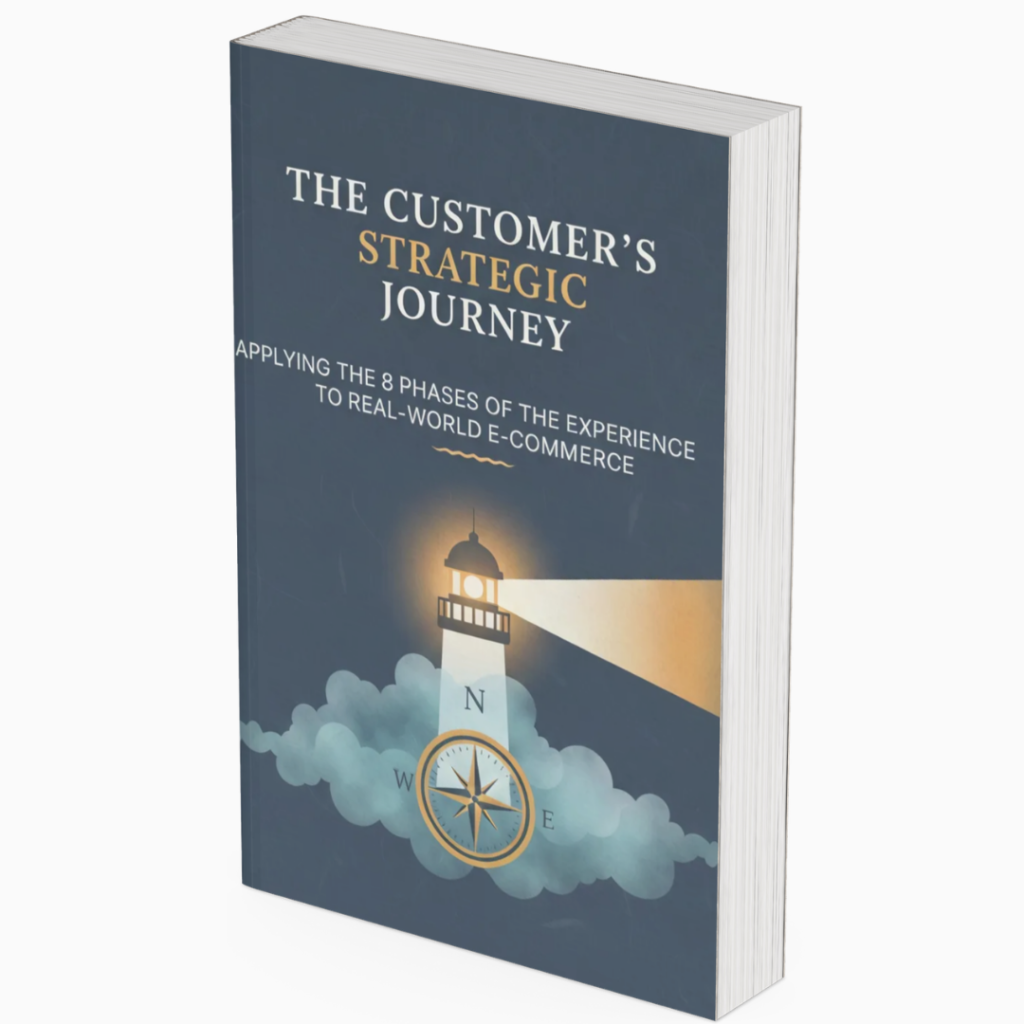
If you want to transform loyalty into a system under control
And stop depending on constant adjustments,
|
this guide was made for you.
Master Customer Loyalty
|
Because in the previous stages, you build, fix, and refine.
But here, you start operating with clarity.
|
And when there is clarity,
Loyalty stops being a constant concern
and becomes a natural part of the business.
|
|
|
|
|
|
Read.
Adjust.
Consolidate the system.