You’ve set up your post-purchase
|
The messages are set.
The incentives make sense.
The second purchase has started to appear.
|
The system exists.
And this is exactly where a new challenge arises.
|
Some buy once and disappear…
…Others only return when there’s a discount.
|
And a few
become true brand advocates.
|
When everyone is treated the same way,
the system starts to lose efficiency.
|
|
|
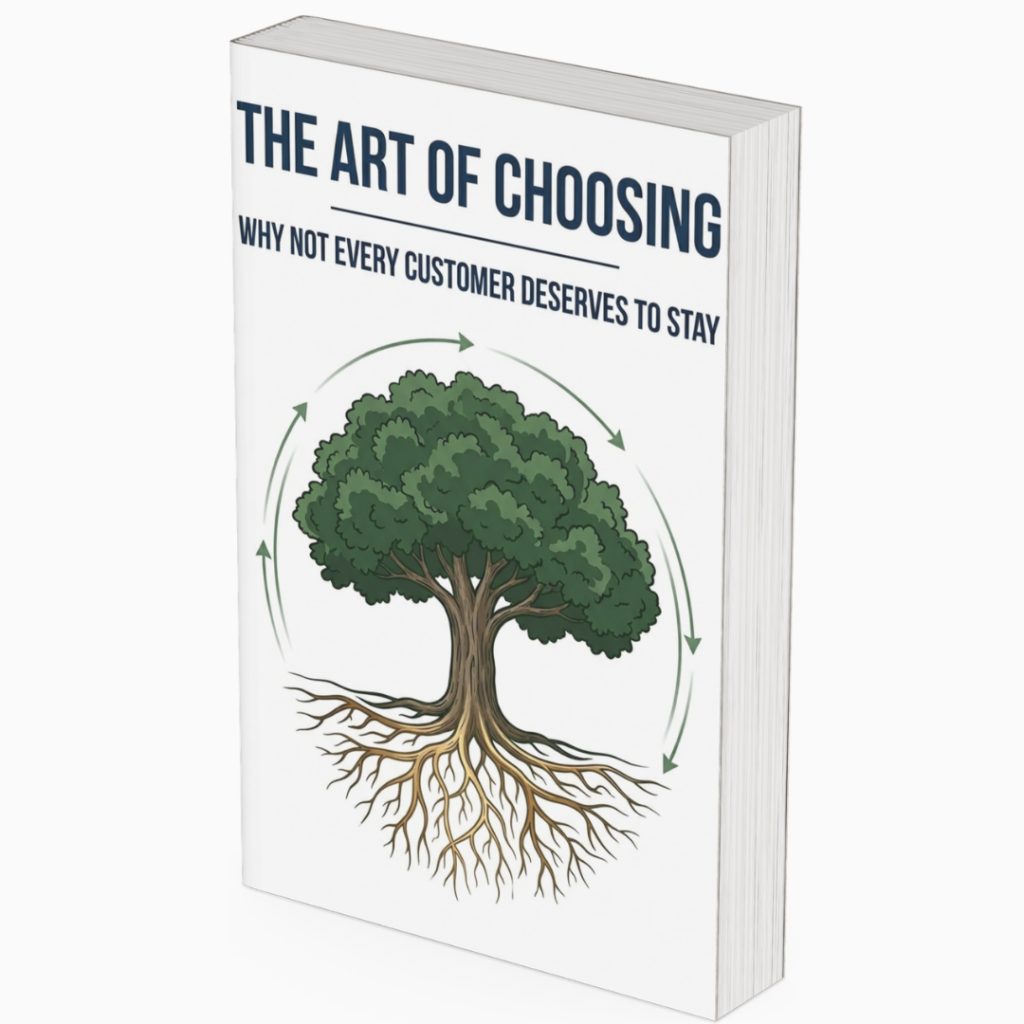
Not every returning customer is necessarily the right customer.
|
There is a widespread idea in e-commerce
|
“Every customer needs to be retained.”
In practice, this is almost never true.
|
Some customers:
|
- Buy only during promotions
- Generate more support than revenue
- Constantly pressure for discounts
- Or simply don’t return
|
When a loyalty system treats all customers the same way,
it starts to waste energy.
The result doesn’t appear as an error.
It appears as friction.
|
|
Perhaps you are noticing some signs
|
- The repurchase system works… but inconsistently.
- Some customers return naturally.
- Others only when there is an incentive.
- You feel you could improve the quality of your customer base.
|
And an inevitable question begins to arise:
Is it worth treating all customers the same way?
|
This question marks the transition between
a functional system and
a mature system.
|
|
When they reach this point,
many make a curious mistake
|
They try to solve this with more campaigns.
|
More discounts.
More messages.
More actions.
|
But the problem is rarely a lack of action.
|
The problem is usually a lack of criteria.
Without clear criteria, the system responds to all customer behaviors in the same way.
And this dilutes the value of the relationship.
|
|
In this guide, you will learn a simple principle
|
Mature loyalty doesn’t treat all customers equally.
It learns to:
|
- Recognize behaviors
- Identify value signals
- And respond proportionally.
|
Some customers need incentives…
…Others only need follow-up…
…And some need silence.
|
When these decisions stop being intuitive
and start being structured,
the system moves to the next level.
|
|
In this fragment, you will discover
|
|
How to identify which customers actually strengthen your e-commerce:
|
Which signals indicate a customer is worth incentivizing
When not to incentivize a repurchase
How to avoid turning discounts into an addiction
How to structure simple decisions to handle different types of customers
How to protect your margin without losing the relationship
How to transform loyalty into a more selective and efficient process
Without complexity.
Without expensive tools.
Without impossible strategies for small e-commerces.
|
|
Perhaps you are thinking…
|
“But I cannot afford to lose customers.”
|
That is understandable.
|
However, in practice, what destroys many e-commerce businesses is not losing customers, but rather…
|
- Maintaining relationships that don’t make sense.
- Customers who only buy with discounts.
- Customers who demand more energy than they return.
- Customers who distort your positioning.
|
Learning to recognize these differences
is a natural part of a business’s maturity.
|
|
Large companies can afford to waste energy…
…Small e-commerce businesses cannot.
|
Every discount given without criteria…
every poorly positioned incentive…
every campaign made on impulse…
|
…erodes the profit margin
…creates dependency
…and hinders sustainable growth.
|
Therefore, simple but conscious decisions…
…are worth more than frequent actions.
|
|
When you learn to choose better:
|
Your communication becomes clearer.
Your incentives make more sense.
Your profit margin improves.
And your customer base begins to organize itself naturally.
|
Loyalty stops being just a constant attempt to please.
And becomes a conscious relationship process.
|
|
If you have already structured your repurchase system
and want to take the next step,
|
this guide was made for you.
|
👉 Access the Guide now:
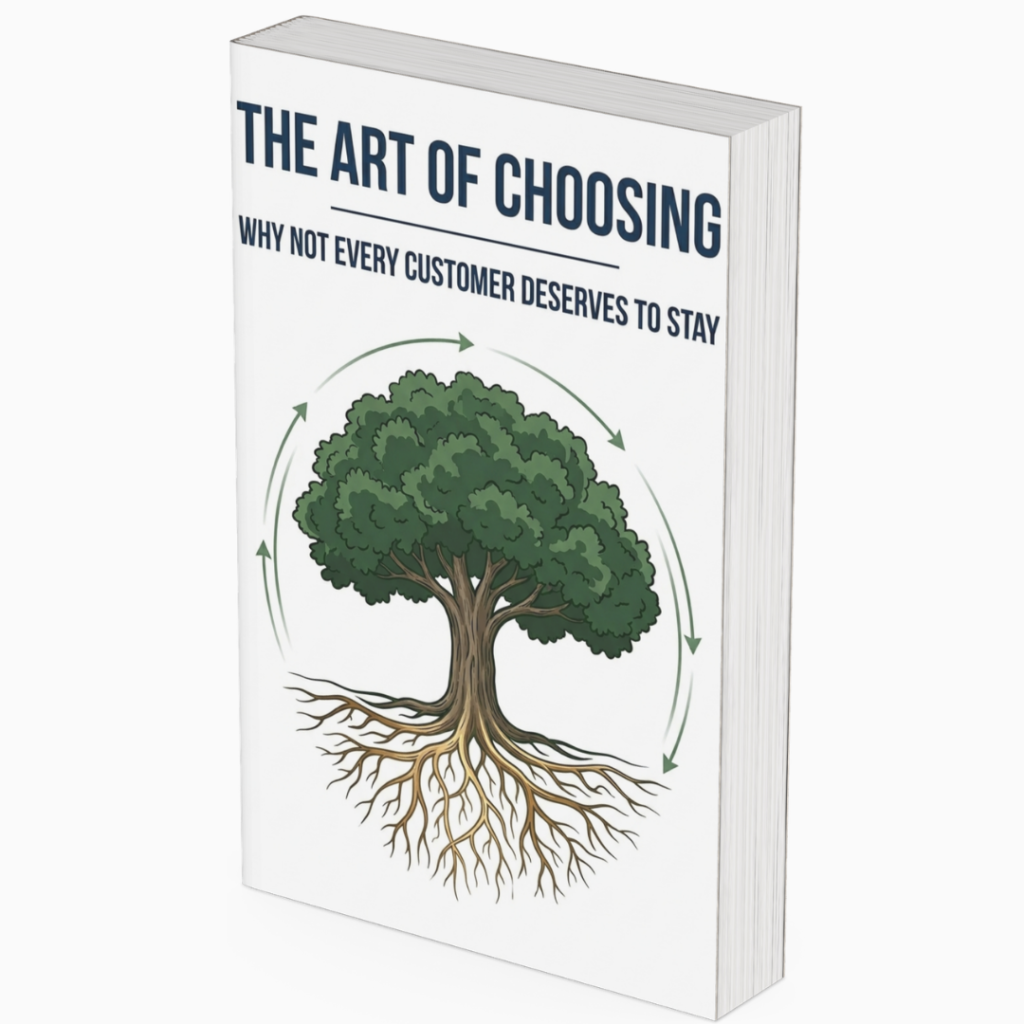
“The Art of Choosing: Why Not Every Customer Deserves to Stay”
|
|
Because mature loyalty
doesn’t mean keeping every customer.
It means keeping the right customers.
|
|
|
|
|
Read.
Apply.
Refine your system.