|
If the system starts to weaken…
|
You…
- Implemented a loyalty program.
- Organized post-purchase follow-up.
- Created repurchase incentives.
- Focused on customer relationship management.
|
On paper, it all makes sense…
…But with time something starts to happen.
|
The routine gets tough.
The operation demands attention.
The daily grind swallows up the processes.
|
And, little by little…
|
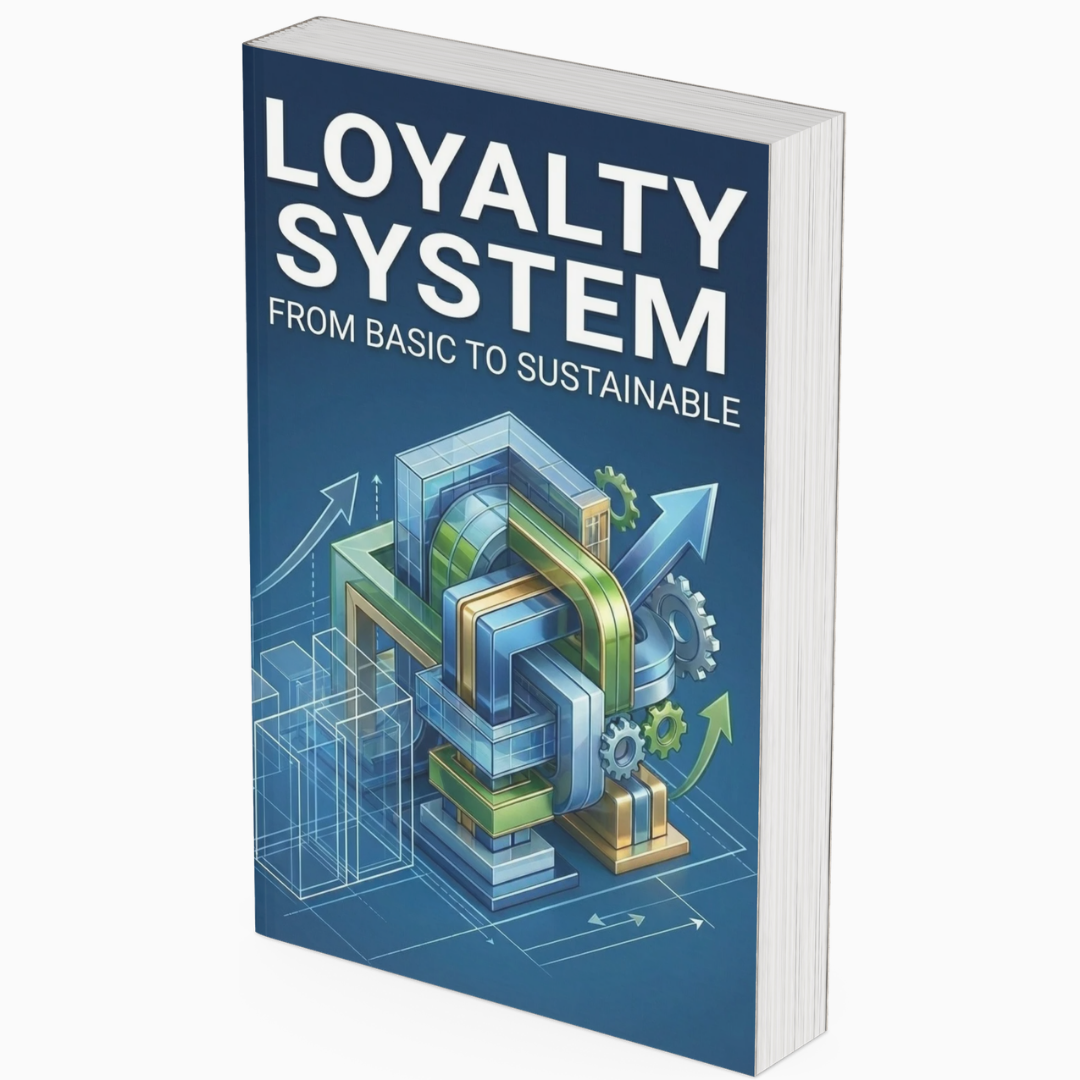
What used to be a system becomes improvisation.
|
|
|
The problem that almost no one talks about:
|
Creating a system is difficult…
…But keeping a system alive is even more difficult.
|
Most small e-commerce businesses are able to put together some kind of loyalty program.
The problem arises later.
|
When the system starts to depend on:
|
Remembering
Deciding
Improvisation
|
And systems that rely too heavily on human memory rarely survive the pace of operation.
|
|
Perhaps you are noticing these signs
|
- Post-purchase messages stop being sent.
- Repurchase campaigns become irregular.
- Good ideas emerge… but are never implemented.
|
|
The system still exists.
But it no longer works with the same consistency.
|
Consistency disappearing, and loyalty weakening.
|
|
The silent error in most systems
|
Many entrepreneurs believe the problem lies in the tools:
|
- They try to switch platforms.
- Automation.
- New software.
|
|
But in most cases the problem isn’t the tool…
|
|
…It’s the structure fragility.
|
|
A system that depends on constant motivation is not a system.
It’s just a well-organized intention.
|
|
What this guide actually does
|
This guide doesn’t teach customer loyalty from scratch.
It starts from a more realistic scenario.
|
You already understand that building customer loyalty is important.
The challenge now is different:
- to transform a fragile system into a sustainable system.
- A system that continues to function even when:
The routine tightens
the volume grows
and time becomes scarce.
|
|
“But my system already works.”
|
Maybe it really will work.
For now.
|
The problem is that many systems break down slowly:
Not with a big mistake.
|
But with minor oversights.
Minor delays.
Minor improvisations.
|
Before you know it, customer loyalty is no longer a priority.
And the system went back to square one.
|
|
Because this is even more critical for small e-commerce businesses.
|
Large companies can absorb mistakes.
|
They have a team.
Tools.
Complex processes.
|
Small e-commerce businesses don’t have that luxury.
|
When the system relies too heavily on you, any increase in operational load can break it down.
That’s why simple and resilient systems are so important.
|
|
The difference between intention and structure.
|
Many businesses want to build customer loyalty.
Few manage to sustain this over time.
|
|
The difference is rarely in strategy.
It’s about the ability to keep the system running every day.
|
|
When this structure exists:
- the effort decreases
- consistency increases
- and loyalty ceases to depend on momentary energy.
|
It becomes part of the operation.
|
|
If you want your system to keep working
|
Creating a loyalty program is just the first step.
The real challenge is keeping it alive.
|
If you want to transform customer loyalty into a sustainable process within your e-commerce business,
This guide was made for you.
|
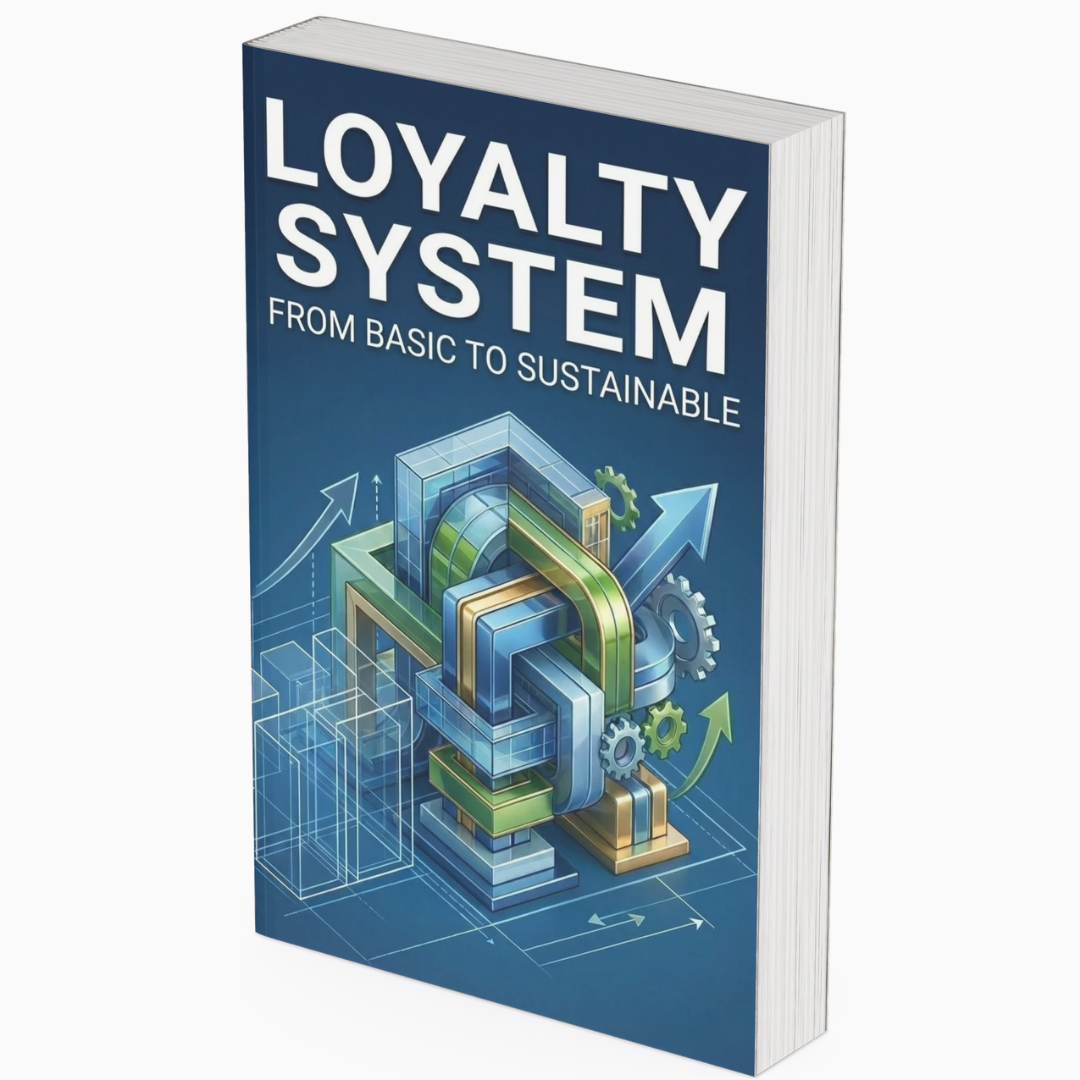
👉 Access the Guide now “Loyalty System – From Basic to Sustainable”
|
Read.
Adjust.
Strengthen your system.
|
Because fragile systems deteriorate over time.
|
But well-structured systems continue
to function even as operations grow.
|